

Exploring the Unique Culture and Traditions of the Korowai Tribe in Papua New Guinea
- Feb 15, 2023
- 2 min read
Updated: Nov 24, 2025
The Korowai tribe of Papua New Guinea is one of the most fascinating and little-known indigenous groups in the world. Living deep in the dense rainforests of the Paqua region, the Korowai have preserved a way of life that remains largely untouched by modern civilization. Their unique culture, traditional practices, and distinctive homes offer a rare glimpse into human diversity and adaptation.
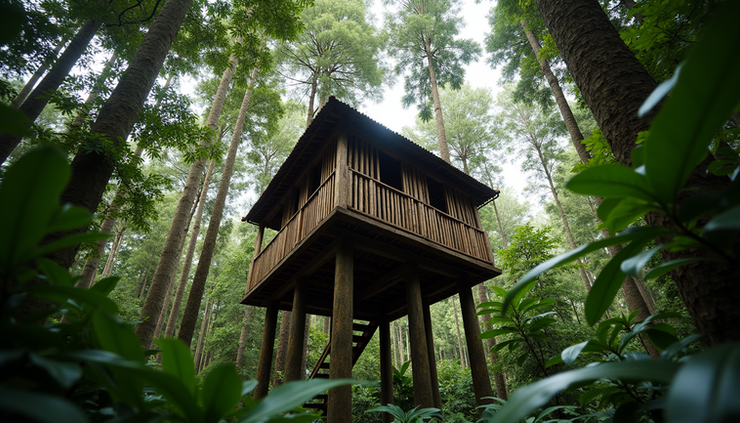
Life in the Canopy: The Korowai Treehouses
One of the most striking features of the Korowai tribe is their elevated homes. They build treehouses that can reach heights of up to 40 meters above the forest floor. These structures serve multiple purposes: protection from flooding, insects, and wild animals, as well as a symbol of social status within the tribe. Constructed from local wood, palm leaves, and vines, the treehouses showcase impressive craftsmanship passed down through generations.
Building these homes requires teamwork and knowledge of the forest environment. The Korowai use natural materials found nearby, demonstrating a deep connection to their surroundings. The height of the treehouse often reflects the status of the family living there, with the tallest homes belonging to the tribe’s leaders.
Social Structure and Traditions
The Korowai live in small clans, each led by a chief who holds authority over decisions and rituals. Their social life revolves around kinship ties, with extended families sharing responsibilities such as hunting, gathering, and childcare. The tribe practices animism, believing that spirits inhabit natural objects and animals, which influences their daily activities and ceremonies.
Rituals play a vital role in Korowai culture. For example, they perform elaborate initiation ceremonies for young men, marking their transition into adulthood. These rites often involve storytelling, dancing, and symbolic acts that reinforce community bonds and cultural identity.
Hunting and Food Practices
The Korowai rely on hunting, fishing, and gathering for sustenance. They use traditional weapons like bows and arrows, traps, and spears to hunt animals such as wild pigs, birds, and small mammals. Fishing in nearby rivers supplements their diet with freshwater fish.
Their knowledge of the forest is extensive, allowing them to identify edible plants and medicinal herbs. This expertise ensures their survival in an environment that can be both rich and challenging.
Challenges and Modern Contact
In recent decades, the Korowai have faced increasing contact with outsiders, including researchers, tourists, and government officials. While this has brought some benefits, such as access to healthcare and education, it also poses risks to their traditional way of life. Exposure to new diseases, cultural disruption, and environmental threats are ongoing concerns.
Efforts to document and respect Korowai culture emphasize the importance of preserving their heritage while supporting sustainable development. Visitors are encouraged to approach with sensitivity and respect for local customs.


Comments